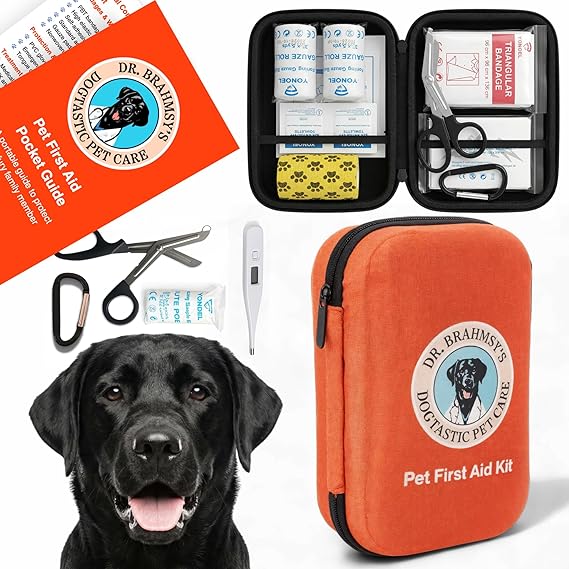
 Get the Dr Brahmsy's 45-Piece Pet First Aid Kit →

Pet-Safe Cleaning Products:
What Works and What's Toxic to Dogs & Cats
Your pet walks on floors cleaned with whatever you just used — then licks their paws. According to ASPCA Poison Control data, household cleaners are among the top 10 causes of pet poisoning annually. Here's every common cleaner ranked by safety.
Your pet walks on every surface you clean
Enzymatic cleaners break down pet messes without the chemicals that burn paws and damage lungs. Most veterinarians in small-animal practice recommend them.
See Top-Rated Pet-Safe Cleaners on Amazon →Cleaner Safety Comparison Table
| Cleaner | Safe for Dogs | Safe for Cats | Toxic Ingredient | Safer Alternative |
|---|---|---|---|---|
| severe Bleach (Sodium Hypochlorite) | ❌ | ❌ | Sodium hypochlorite, chlorine gas | Enzymatic cleaner or diluted vinegar |
| severe Ammonia-Based Cleaners | ❌ | ❌ | Ammonium hydroxide | Steam cleaning or hydrogen peroxide solution |
| potentially fatal Phenol Disinfectants (Pine-Sol, Lysol) | ❌ | ❌ | Phenols, pine oil | Pet-specific disinfectant or steam |
| safe White Vinegar (Diluted) | ✅ | ✅ | None (acetic acid at low concentration) | This IS the safer alternative to most chemical cleaners |
| safe Enzymatic Cleaners | ✅ | ✅ | None (biological enzymes) | This IS the safer alternative for pet stain/odor removal |
| safe Steam Cleaning | ✅ | ✅ | None (water vapor only) | This IS the safest method — no chemicals whatsoever |
| safe Commercial Pet-Safe Brands | ✅ | ✅ | Varies — look for pH-neutral, no phenols, no essential oils | Vinegar or steam if labels are unclear |
| severe Essential Oil Cleaners (Tea Tree, Eucalyptus) | ❌ | ❌ | Terpenes (tea tree oil, eucalyptol, limonene) | Enzymatic or vinegar-based cleaners |
The Cleaners Most Pet Owners Don't Think About
Bleach is the most common culprit in household cleaner poisoning cases. ASPCA Poison Control data shows thousands of calls per year related to sodium hypochlorite exposure in pets. The danger isn't just ingestion — pets absorb residue through their paw pads after walking on bleached floors. Cats are particularly vulnerable because they groom themselves obsessively, ingesting whatever their paws touched.
Phenol-based disinfectants (found in many pine-scented and "original formula" cleaners) are especially dangerous to cats. Felines lack glucuronyl transferase, a liver enzyme needed to break down phenolic compounds. This means even trace exposure — walking on a cleaned floor, then grooming — can lead to liver damage, tremors, and in severe cases, death. Dogs fare slightly better metabolically, but phenol ingestion still causes vomiting, oral burns, and respiratory distress.
Ammonia-based glass and floor cleaners irritate the mucous membranes of both species. The fumes alone can trigger respiratory distress in animals with pre-existing conditions. The ASPCA notes that ammonia exposure is frequently underreported because symptoms (drooling, coughing, lethargy) may not appear immediately.
Essential oil cleaners — despite their "natural" marketing — contain concentrated terpenes that are toxic to pets. Tea tree oil (melaleuca) is one of the most frequently reported toxic exposures in the ASPCA APCC database. Eucalyptus, clove, and citrus oils are also problematic. "Natural" does not mean "non-toxic."
Most Homes Have at Least 3 Toxic Cleaners Under the Sink
ASPCA Poison Control receives thousands of calls each year about household cleaner exposure. Pet-safe enzymatic and plant-based cleaners cost roughly the same as the toxic alternatives. Your pet's health isn't where to cut corners.
Browse Pet-Safe Cleaners on Amazon →What Actually Works: The Safe Options
✅ Enzymatic Cleaners
Biological enzymes break down organic matter (urine, feces, vomit, blood) at the molecular level. They don't mask odors — they eliminate them. This is why most veterinarians recommend enzymatic cleaners for pet households. They're effective and contain none of the harsh chemicals that cause poisoning.
Find enzymatic cleaners on Amazon →✅ White Vinegar (Diluted)
A 1:1 ratio of white vinegar and water handles most routine cleaning. It cuts grease, removes mineral deposits, and deodorizes. It won't kill every pathogen the way bleach does, but for daily cleaning in a pet home, it's more than adequate — and your pets can walk on it immediately after application.
✅ Steam Cleaning
Water heated past 200°F kills 99.9% of bacteria, dust mites, and pathogens. No chemicals, no residue, no risk. Steam cleaners handle carpets, tile, hardwood, upholstery, and pet beds. The only downside is the upfront cost of the machine, but it replaces every chemical cleaner in your cabinet.
Find steam cleaners on Amazon →✅ Pet-Safe Commercial Brands
Several brands formulate specifically for pet safety — pH-neutral, no phenols, no essential oils, no ammonia. Look for EPA Safer Choice certification on the label. These products are designed to be safe once surfaces are dry, though it's still best to keep pets off freshly cleaned areas until fully dried.
Find pet-safe floor cleaners on Amazon →Why This Matters More Than Most Pet Owners Realize
Your pet walks across every floor you clean, then grooms themselves. Dogs lick spills off floors. Cats groom for hours. Whatever residue is left on surfaces ends up inside your pet.
According to ASPCA Poison Control data, household cleaning products consistently rank among the top 10 toxic exposures reported for both dogs and cats. The most common route of exposure is not direct ingestion — it's dermal contact followed by self-grooming.
The good news: switching to pet-safe cleaners is one of the easiest changes you can make. Enzymatic cleaners, diluted vinegar, and steam cleaning cover virtually every cleaning need in a pet household. The cost difference is minimal, and the safety improvement is substantial.
Recommended Pet-Safe Cleaning Products
Endowment — your pet deserves this
Enzymatic Pet Cleaner
Your pet walks on floors cleaned with whatever you just used. Most pet owners who switch to enzymatic cleaners say they'd never go back to chemical alternatives — the odor elimination alone is worth it.
Shop Enzymatic Cleaners on Amazon →Authority — vet-recommended
Steam Cleaner for Pet Homes
No chemicals at all. Steam kills 99.9% of pathogens using only water. Most veterinary practices use steam-based cleaning for exam rooms. ASPCA Poison Control data shows zero cases of steam-related pet toxicity — because there's nothing toxic to expose.
Shop Steam Cleaners on Amazon →Frequently Asked Questions
Is bleach safe to use around pets?
No. Bleach (sodium hypochlorite) causes chemical burns to paws, skin, eyes, and the respiratory tract. Pets walking on freshly bleached floors absorb residue through their paw pads. If bleach is absolutely necessary, rinse the surface thoroughly with water afterward and keep pets away until it is completely dry.
Is vinegar safe for cleaning around dogs and cats?
Diluted white vinegar is generally considered safe for use around pets. It is less effective at killing pathogens than commercial disinfectants but works well for routine cleaning. Avoid concentrated (cleaning-strength) vinegar on surfaces pets lick frequently.
What cleaning products are toxic to cats specifically?
Phenol-based cleaners (many pine-scented products), bleach, ammonia, and any product containing essential oils are particularly dangerous to cats. Cats lack the liver enzyme (glucuronyl transferase) needed to metabolize phenols and many essential oil compounds, making even small exposures potentially toxic.
Are "natural" cleaners always safe for pets?
No. "Natural" does not mean non-toxic. Many natural cleaners contain essential oils (tea tree, eucalyptus, citrus) that are highly toxic to pets. Always check the ingredient list, not just the marketing label. Look for products specifically labeled as pet-safe or those with EPA Safer Choice certification.
Household Toxins Guide
Every household hazard ranked by danger
Home Safety Audit
Check your home for hidden dangers
Pet Proofing Guide
Room-by-room safety checklist
Your Pet Deserves a Home That's Actually Clean — Not Chemically Coated
Switching to pet-safe cleaners is one of the simplest changes with the biggest safety impact. Enzymatic cleaners, vinegar, and steam cover virtually every cleaning need without the toxic residue.
Browse Pet-Safe Cleaning Products on Amazon →