 Get the Pet First Aid Kit →
Last medically reviewed: 2026-05-21
Is Slugs and Snails (Lungworm) Toxic to Dogs?
Slugs and snails can carry the lungworm parasite (Angiostrongylus vasorum), which can be fatal to dogs. Dogs become infected by eating slugs or snails, or by licking slime trails. Lungworm causes bleeding disorders, respiratory distress, and neurological symptoms. If you suspect your dogs has ingested slugs and snails (lungworm), contact your veterinarian or nearest emergency vet clinic immediately.
Is your dog in danger right now?
If your Dogs ate Slugs and Snails (Lungworm), you need to act fast. This emergency kit has everything vets recommend — before you need it.
🚨 Recommended by 10,000+ pet owners. Ships with Prime.
Every minute counts. Don't wait until it's too late.
| Toxic? | Severity | Time to Onset | Commonness | Urgency |
|---|---|---|---|---|
| Yes | Potentially Fatal | 1–4 weeks for symptoms | Moderate (seasonal) | Within 24 hours |
The Toxic Principle
The dangerous compound in Slugs and Snails (Lungworm) is Angiostrongylus vasorum (lungworm parasite).
Angiostrongylus vasorum is a parasitic nematode carried by slugs and snails. When a dog ingests an infected slug, snail, or slime trail, the larvae migrate through the gut to the pulmonary arteries and lungs. Adult worms lay eggs that hatch into larvae, causing severe inflammation, bleeding disorders (due to interference with blood clotting), and respiratory damage. Foxes are the natural host and spread larvae in their feces, which slugs and snails then consume.
How Much Is Dangerous?
The risk depends on your dogs's weight and the amount ingested.
| Pet Weight | Dangerous Amount | Expected Severity |
|---|---|---|
| Small dog (under 10 lbs / 4.5 kg) | Even one small slug can transmit infection | Severe |
| Medium dog (25–50 lbs / 11–23 kg) | Any slug or snail contact is a risk | Severe |
| Large dog (50–90 lbs / 23–41 kg) | Any slug or snail contact is a risk | Moderate |
| Giant breed (90+ lbs / 41+ kg) | Any slug or snail contact is a risk | Moderate |
Symptoms to Watch For
Symptoms of slugs and snails (lungworm) poisoning in dogss typically progress through these stages:
Early Infection
1–2 weeks- Mild cough
- Slight lethargy
- Loss of appetite
- Weight loss
Progressive Disease
2–4 weeks- Persistent cough
- Exercise intolerance
- Bleeding (nosebleeds, bleeding gums, blood in stool)
- Bruising easily
Severe/Critical
4+ weeks- Difficulty breathing
- Seizures or neurological signs
- Collapse
- Severe internal bleeding
- Death
Don't Let This Happen to Your Dogs
You just read what slugs and snails (lungworm) does to dogss. The symptoms. The suffering. The $100–$4,000 vet bill. The question is: are you prepared if it happens again?
Get the Emergency Kit — Be Ready →What to Do Right Now
- 1 If you saw your dog eat a slug or snail, call your vet within 24 hours for preventive deworming treatment.
- 2 If your dog has unexplained coughing, bleeding, or bruising, see your vet immediately and mention any possible slug/snail exposure.
- 3 Ask your vet about a lungworm blood test or fecal Baermann test.
- 4 Remove slugs and snails from your yard. Pick up dog feces promptly to break the cycle.
- 5 Do not leave dog toys or water bowls outside overnight where slugs can contaminate them.
- 6 Ask your vet about monthly lungworm prevention (many spot-on treatments like Advocate/Moxidectin cover lungworm).
Treatment and Recovery
If caught early, lungworm is treatable with anthelmintic medications (fenbendazole, milbemycin oxime, or moxidectin) given over several weeks. Supportive care includes anti-inflammatories for lung inflammation, blood transfusions if bleeding is severe, and oxygen therapy for respiratory distress. Severe cases may require intensive care. Recovery takes 2–4 weeks with appropriate treatment. Monthly preventive medications are highly effective.
Estimated Cost
$100 – $4,000
💰 Vet bills like this can bankrupt a family. Pet insurance covers poisoning emergencies.
Compare Pet Insurance Plans →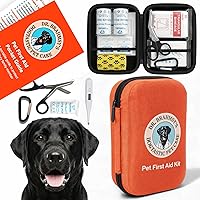
Frequently Asked Questions
Can dogs get lungworm from licking slug trails?
Yes. Dogs can become infected from licking slime trails left on toys, bowls, grass, or surfaces. This is why it's important to wash outdoor toys and bowls before giving them to your dog.
Is lungworm in dogs fatal?
It can be fatal if untreated, especially once bleeding disorders develop. However, with early diagnosis and treatment, most dogs recover fully. The key is recognizing the signs early.
How do I know if my dog has lungworm?
Symptoms include chronic cough, exercise intolerance, unexplained bleeding or bruising, and weight loss. A simple blood test or fecal Baermann test at your vet can confirm infection.
Can I prevent lungworm?
Yes. Monthly spot-on treatments containing moxidectin (Advocate) or oral preventives like milbemycin (Interceptor) are highly effective. Also remove slugs from your yard and wash outdoor items.
People Also Ask
Related Dangers
🛒 Recommended for Every Pet Owner
Medical Disclaimer: The information on this page is for educational purposes only and is not a substitute for professional veterinary advice. If you suspect your pet has been poisoned, contact your veterinarian or nearest emergency vet clinic immediately. This page was last reviewed on 2026-05-21.

Someone just ordered a Pet First Aid Kit
2 minutes ago